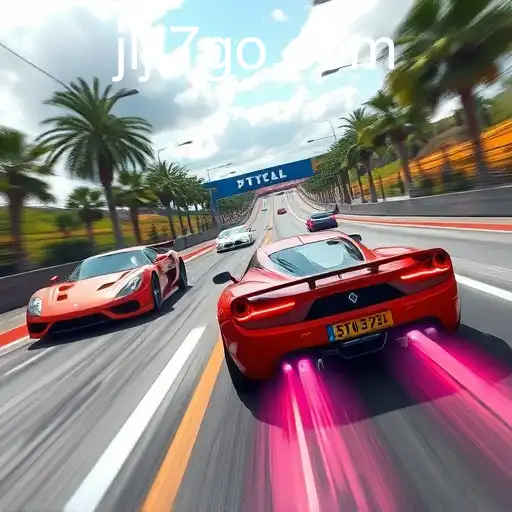
Racing games have long been a staple in the world of video gaming, captivating audiences with their high-speed thrills and competitive edge. Over the decades, this genre has evolved remarkably, with significant technological advancements enhancing gameplay, graphics, and user engagement. Today, racing games are more than just a form of entertainment; they are a testament to the industry's innovation and a beloved category for players worldwide.
The journey of racing games began in the early arcade era, with titles like "Speed Race" and "Night Driver" paving the way for the genre. These early games laid the foundation with simplistic graphics and basic mechanics, yet they captured the imagination of players eager to experience virtual speed. As technology progressed, so did the complexity and realism of these games.
In the 1990s, franchises like "Need for Speed" and "Gran Turismo" redefined the genre with their emphasis on realism and expansive car collections. "Gran Turismo" in particular was revolutionary, offering detailed simulations of real-world vehicles and tracks, which appealed to both casual gamers and car enthusiasts. This period also saw the rise of multiplayer options, allowing friends to compete head-to-head, further enhancing the genre's popularity.
The 2000s continued this trend, with advances in graphics technology delivering highly detailed and immersive environments. Games such as "Burnout" and "Forza Motorsport" introduced novel gameplay mechanics and superior graphics that brought the racing experience to a new level. These advancements allowed for more nuanced collision physics and dynamic weather effects, pushing the boundaries of what could be achieved in a virtual setting.
In recent years, the introduction of virtual reality (VR) has taken racing games into a new dimension, offering an unprecedented level of immersion. Titles like "Project CARS" and "Assetto Corsa" have embraced VR, providing players with a first-hand experience of being behind the wheel, complete with lifelike details and interactions.
Furthermore, the rise of eSports has cemented racing games as a competitive sport, with leagues and tournaments drawing in large audiences and rewarding skilled players with substantial prizes. This shift highlights the growing legitimacy and seriousness of racing games beyond casual play.
Today, racing games continue to evolve, with developers constantly exploring new ways to engage players and push the technological envelope. Whether through enhanced graphics, innovative gameplay, or the incorporation of emerging technologies like augmented reality, the genre shows no signs of slowing down.
In conclusion, racing games hold a unique place in the gaming industry, embodying the spirit of competition and the thrill of speed. From their humble beginnings to their current status as a premier gaming category, they have left an indelible mark on gaming culture and continue to drive innovation and excitement among players of all ages. With each new title, the racing genre promises to keep the adrenaline pumping, proving that the race is far from over.